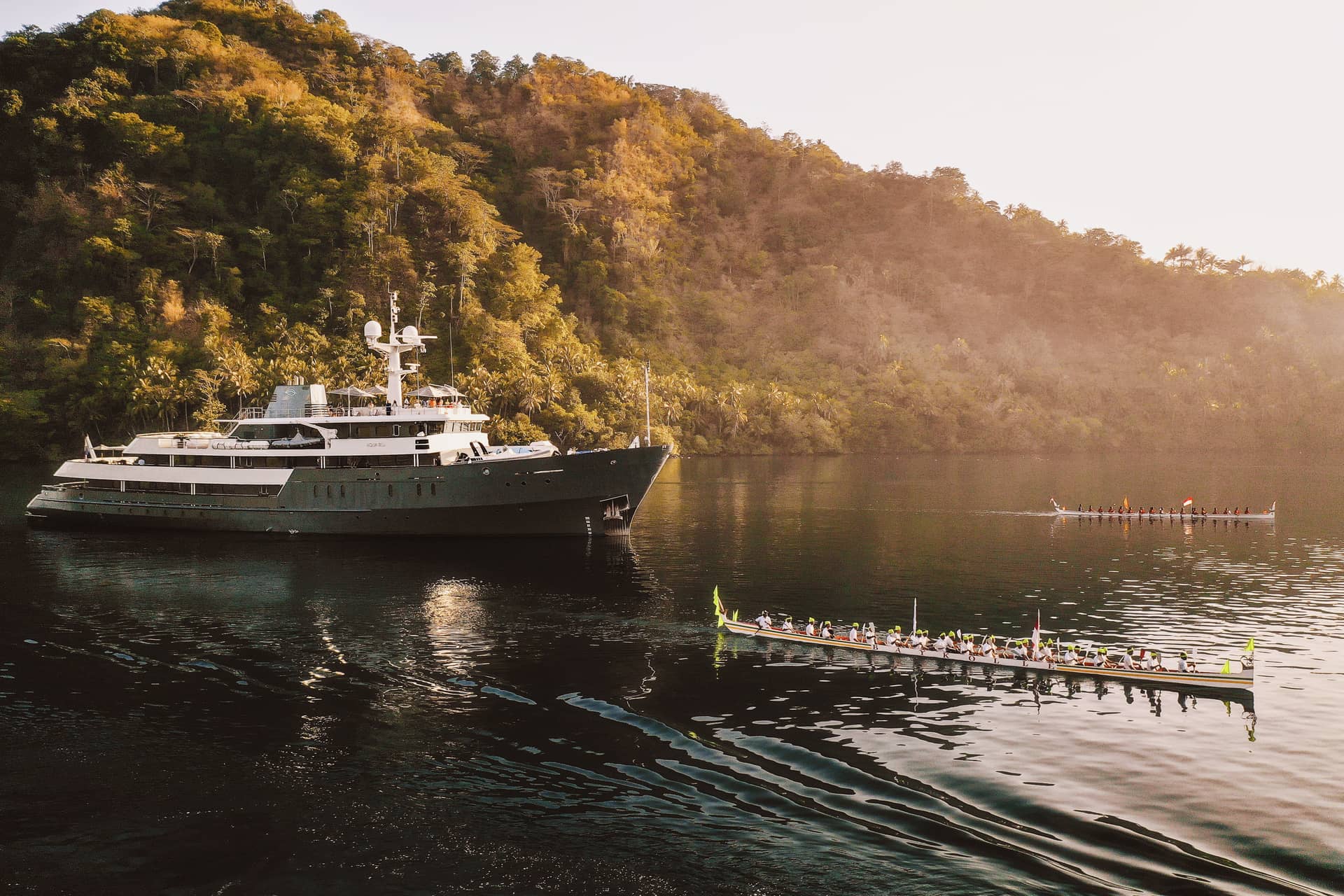
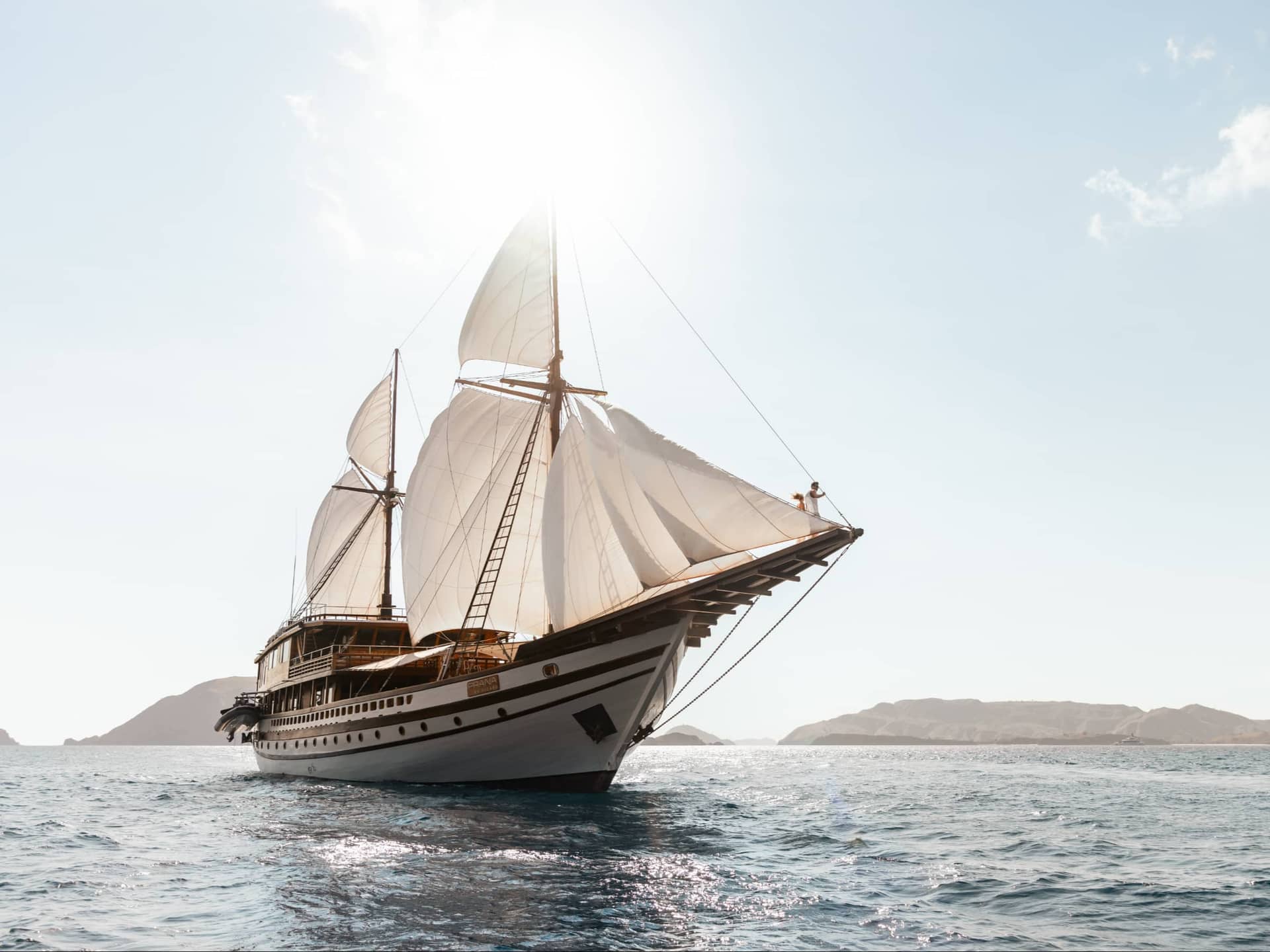
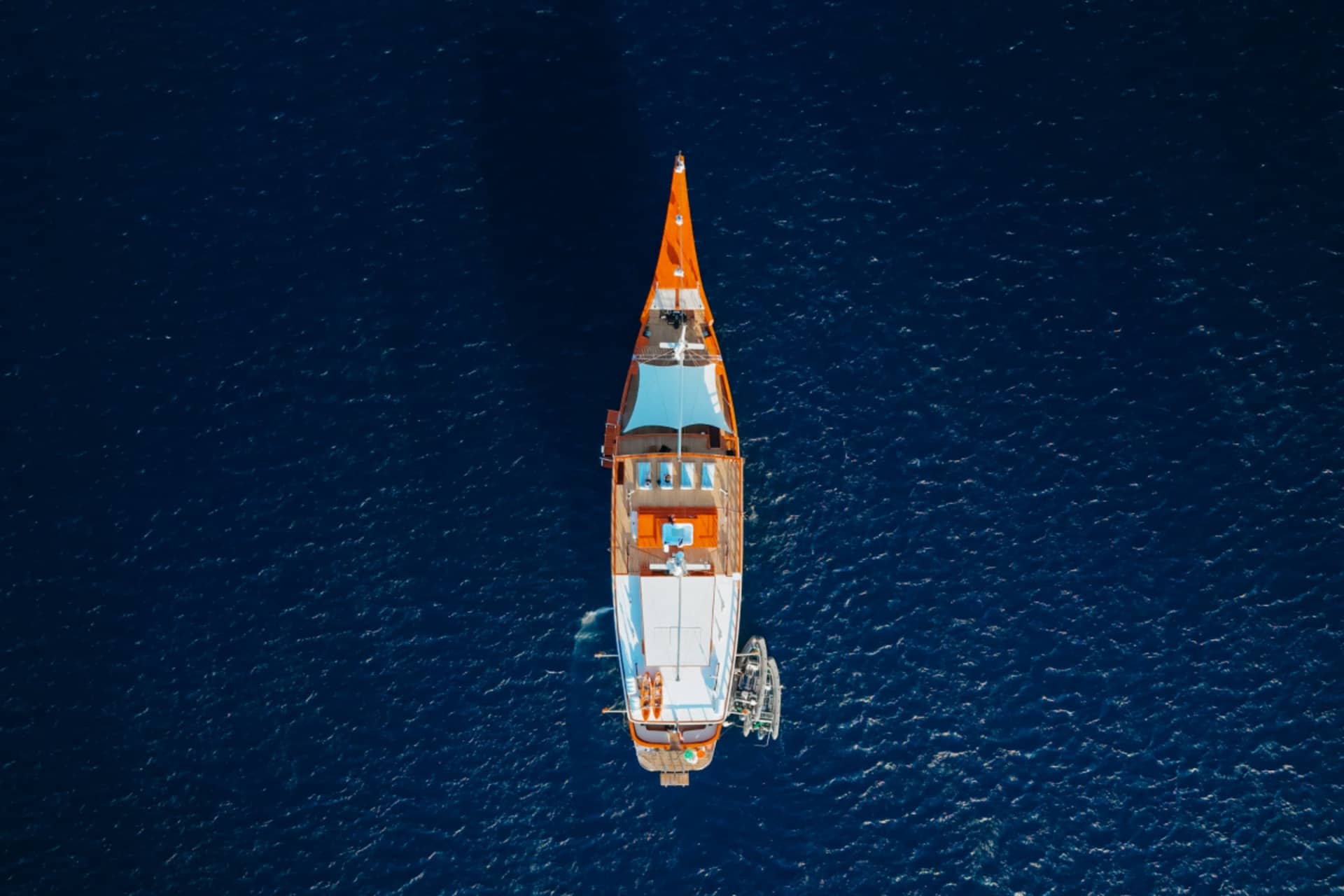
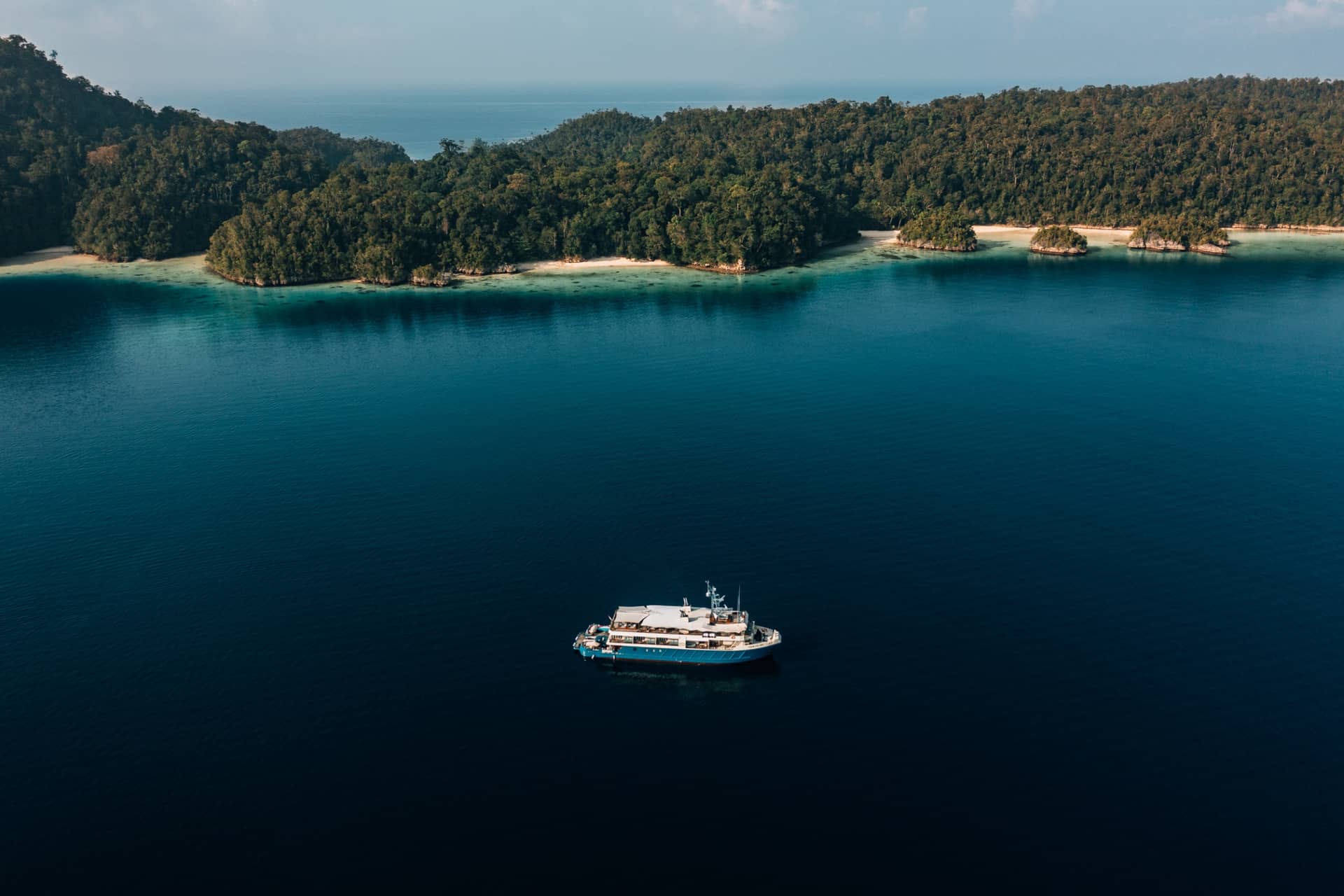
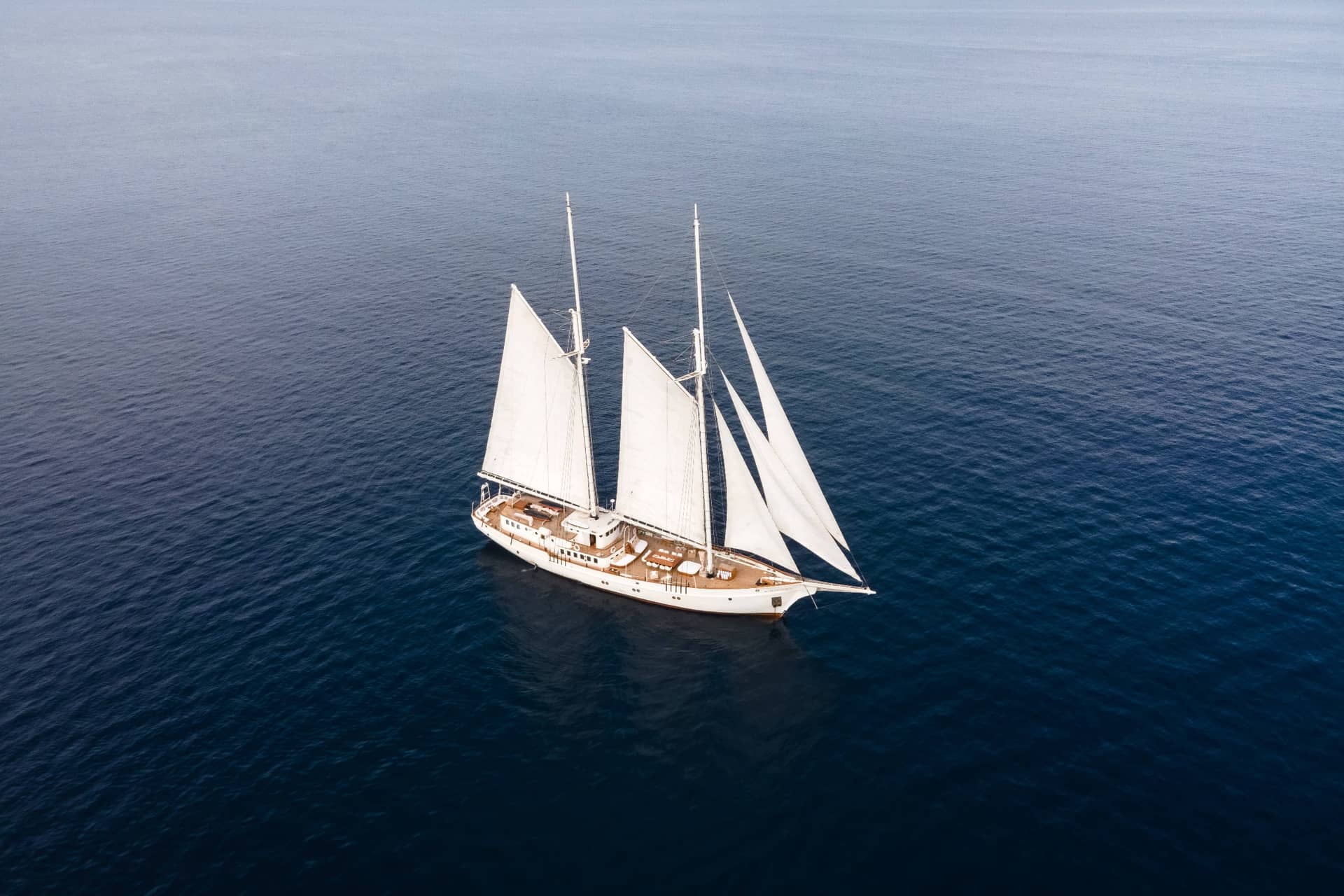
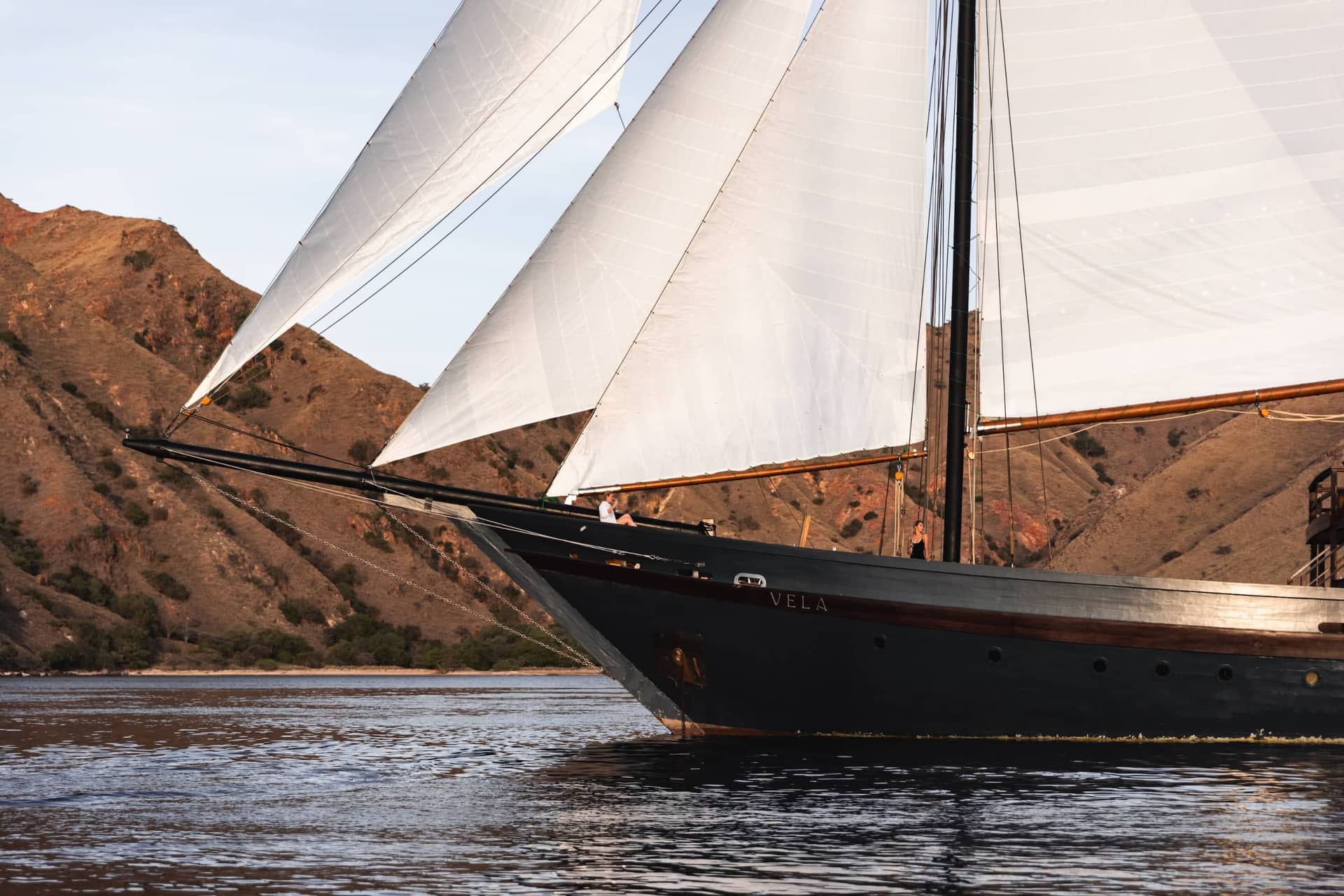
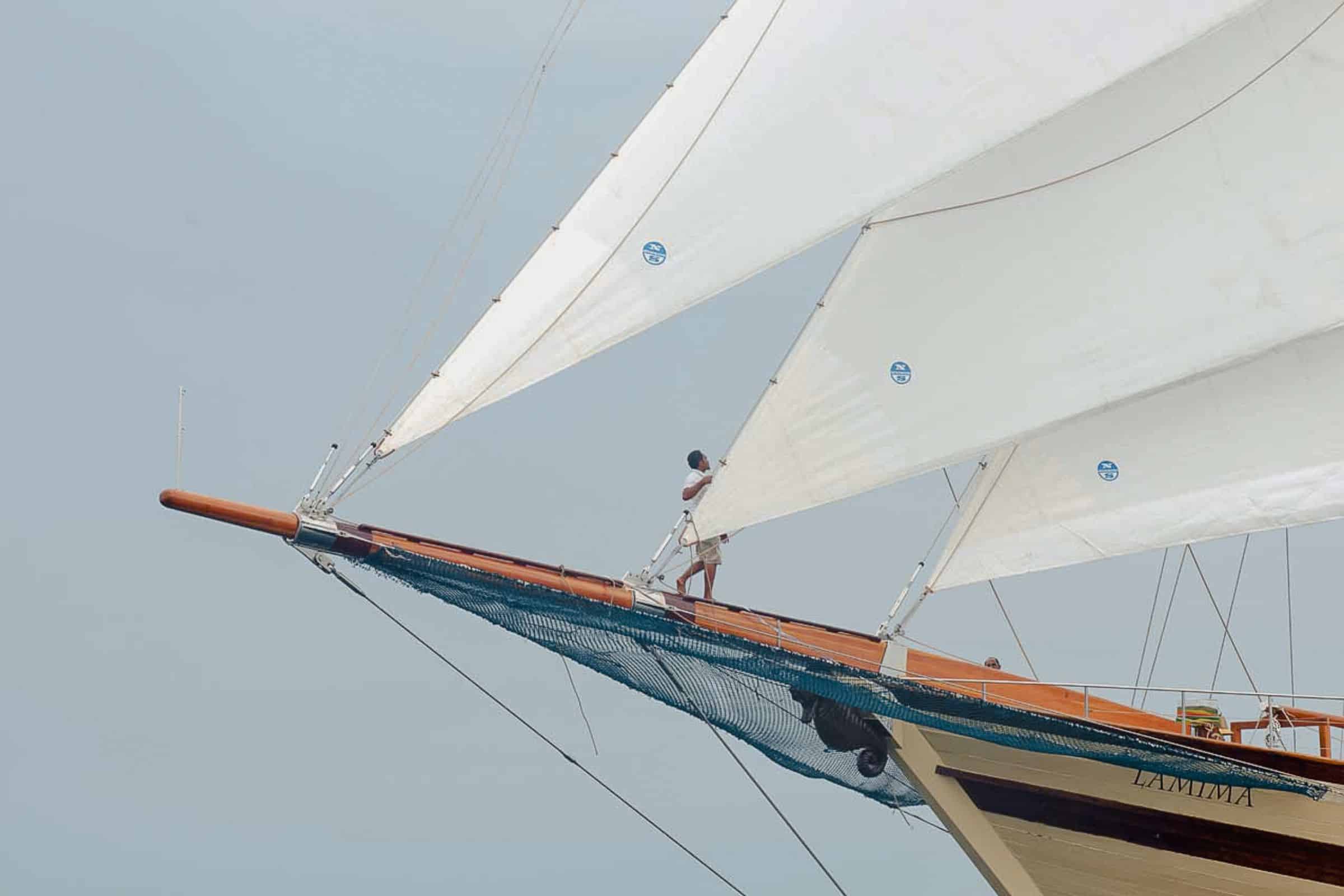
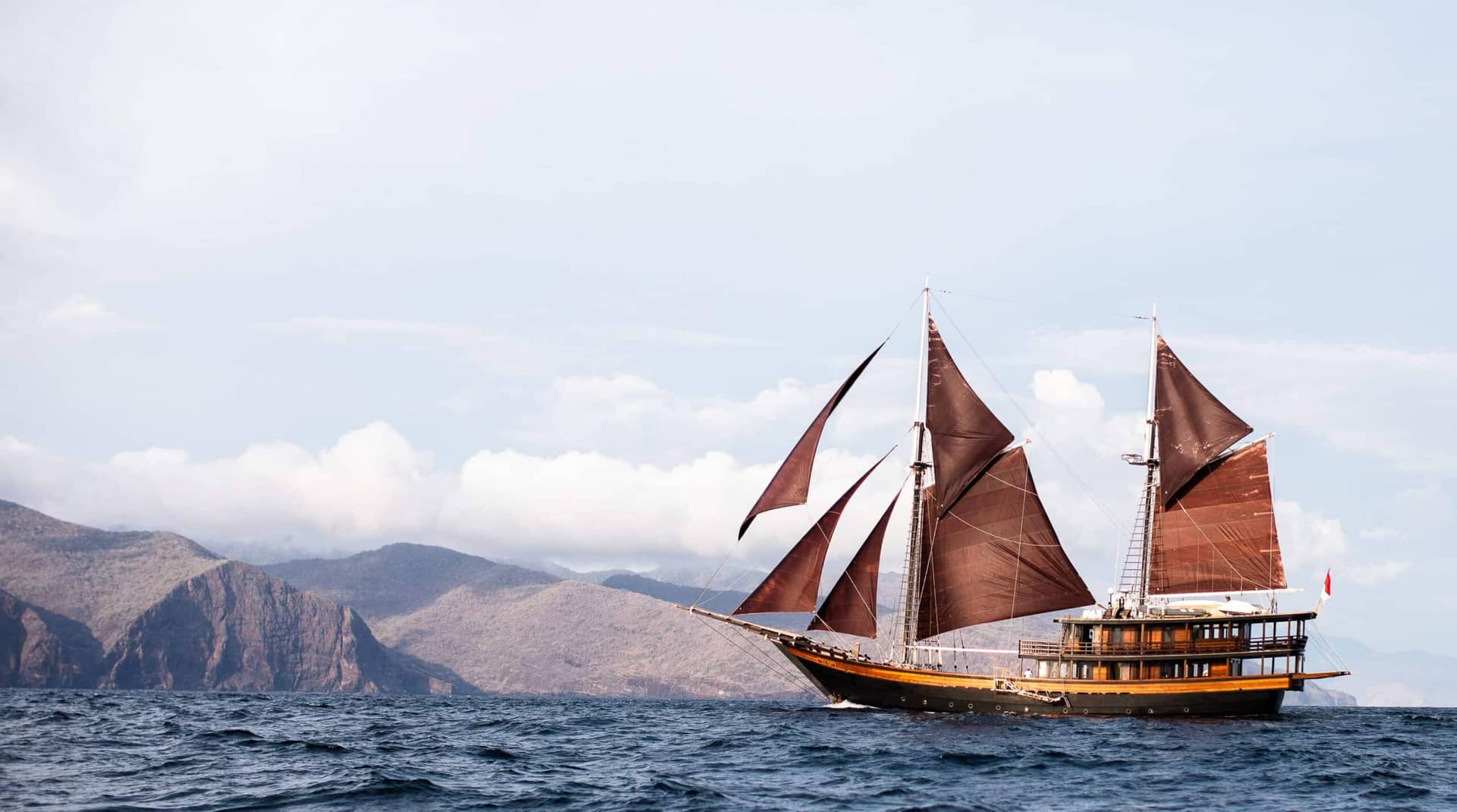
Raja Ampat holds more recorded reef-fish and coral species than anywhere else on the planet, scattered across an archipelago of some fifteen hundred limestone islets off the western tip of West Papua. There are almost no roads, few places to stay, and enormous distances between the sights — which is why the region is chartered almost exclusively by liveaboard. This is the practical guide: the season, how many nights the archipelago really needs, and what the route out of Sorong looks like.
Explore the Raja Ampat fleet →
Why it is a liveaboard region
Raja Ampat is vast. Wayag in the far north-west and Misool in the south are separated by open water that takes the better part of a night to cross, and the celebrated dive sites of the Dampier Strait sit between them. There is no road network and no cluster of harbours to hop between; a vessel that carries your bed, your chef and your dive equipment is not a luxury here but the practical way to see the archipelago. Because the boat repositions overnight, mornings begin on the reef rather than travelling towards it.
A vessel that carries your bed, your chef and your dive kit is not a luxury here — it is the practical way.
The season: October to April
The prime window for Raja Ampat is October to April, when conditions are at their most settled and visibility at its best. This is close to the mirror image of Komodo’s April-to-October dry season, which is useful: between the two grounds, Indonesia offers a strong charter almost year-round. Because Raja Ampat’s window is narrower and the good vessels are few, the best boats for the peak weeks are reserved a long way ahead — the earlier you speak to the desk, the wider the choice.
How long you need
Seven to ten nights out of Sorong is the length that does the archipelago justice; ten to fourteen nights allows a proper north-and-south voyage taking in both Wayag and Misool without rushing the passages. Shorter charters are possible and still rewarding, but they concentrate on the central Dampier Strait area and leave the remote ends of the archipelago out of reach. Raja Ampat punishes a tight schedule: the distances are real, and the best conditions are worth waiting for.
The route — Dampier, Piaynemo, Wayag, Misool
Most voyages begin at Sorong and cross to Waisai and the Dampier Strait, where sites like Cape Kri and Blue Magic hold the fish density Raja Ampat is famous for. From there the route usually runs north-west through the Fam islands to the Piaynemo viewpoint — the clustered karst islets that appear on every photograph of the region — and on to Wayag, the most remote and most spectacular of the lagoons. Southern voyages instead cross to Misool, where the soft-coral walls, prehistoric rock art and hidden lagoons are, to many divers, the finest part of the archipelago.
Wayag is the most remote and the most spectacular of the lagoons.
Diving, and what non-divers do
Raja Ampat is a diver’s region first — the currents feed extraordinary biomass, and manta cleaning stations, wobbegong sharks and vast schools of fusilier are routine rather than remarkable. But it rewards non-divers more than most dive destinations: the snorkelling over shallow coral gardens is exceptional, the karst viewpoints involve short climbs with disproportionate rewards, and kayaking through the lagoons at Wayag or Misool is one of the quiet great experiences in Indonesia. Vessels here typically carry dive equipment, guides and tenders; the desk confirms exactly what is aboard the boat you choose.
Getting there
The gateway is Sorong, reached by domestic flights from Jakarta, Makassar or Manado — usually with an overnight connection, since arrivals are often early morning. Charters board at Sorong or nearby Waisai. Raja Ampat operates a marine-park entry permit system; the crew and the charter desk arrange the permits and clearances on your behalf. As with all remote Indonesian grounds, whether the fees sit inside the charter rate or are quoted separately varies by vessel and is confirmed in writing before anything is paid.