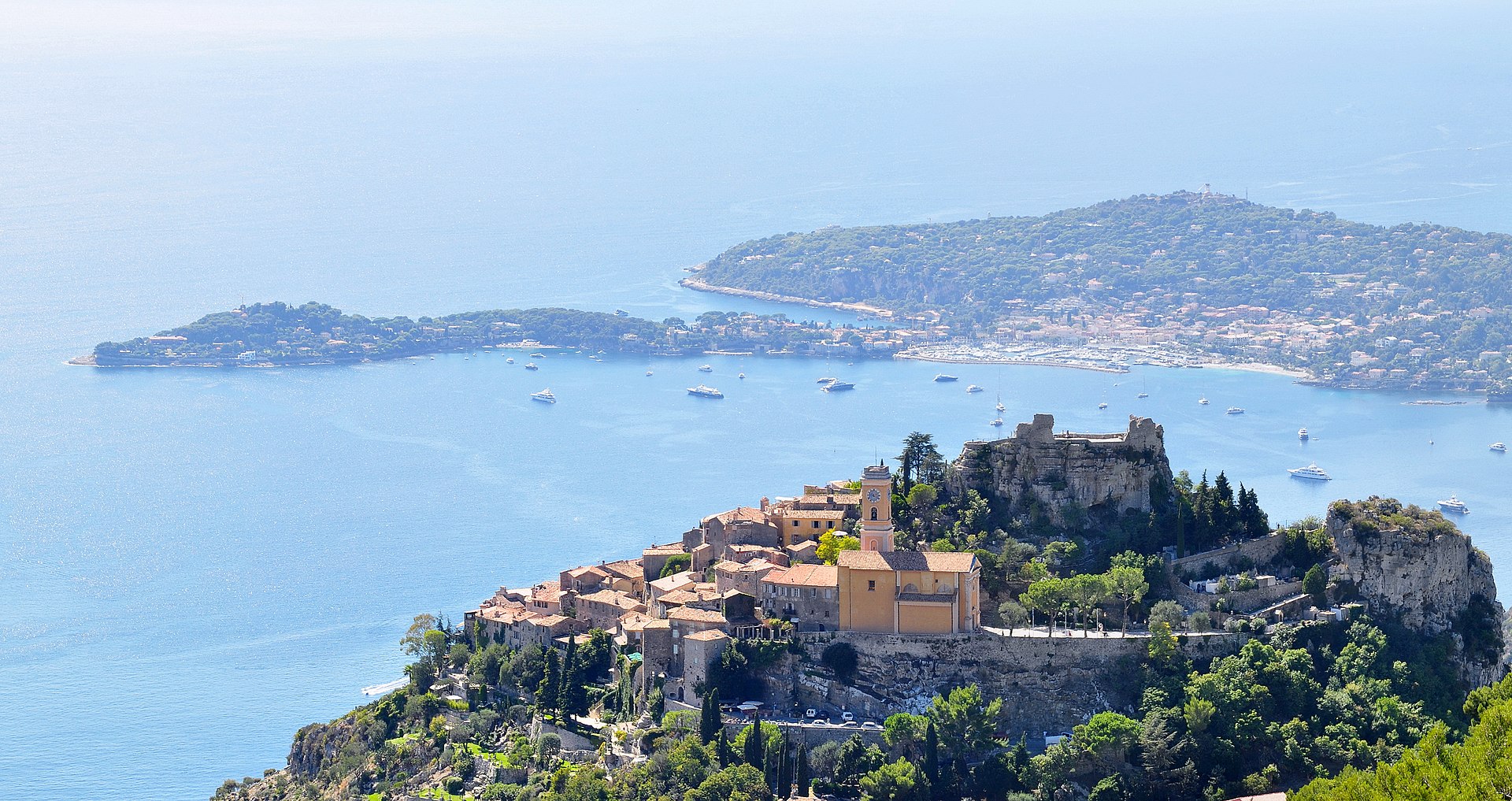
At first light the anchor lifts off Psarou and the Cyclades arrange themselves around you: Mykonos a constellation of whitewashed cubes, Delos a low sacred shadow, Santorini a far smudge of cliff. There is no better vantage on these islands than a yacht’s. You arrive by tender to lunch at Nammos, slip to a sleeping cove by afternoon, and watch Chora’s windmills catch fire at dusk. The Aegean rewards those who move with the light and the wind.
Why the Cyclades, and Why by Sea
The Cyclades are the Aegean’s most concentrated archipelago, a scatter of arid, light-struck islands that have drawn travellers since antiquity. Cruising them by yacht solves their central tension: the icons (Mykonos, Santorini) are thrilling but crowded, while the quiet coves between them are reachable only from the water. A superyacht lets you take Nammos at lunch and a deserted anchorage by four, sidestepping ferry queues and the August crush ashore. The islands sit close together — Mykonos to Delos is a short hop, Paros and Antiparos a comfortable day’s sail south, Santorini the dramatic finale. Distances are forgiving, the water is deep and clean, and almost every passage delivers a horizon of bare cliffs and Cycladic white. This is sailing as the Greeks themselves understood it.
Take Nammos at lunch and a deserted cove by four.
Mykonos by Day: Psarou & the Beach-Club Circuit
Mykonos is the centre of gravity, and by day it lives on its southern beaches. Psarou is the glamorous heart — a sheltered crescent where tenders ferry guests ashore to Nammos, the legendary beach club and restaurant that, since 2003, has set the island’s tone of champagne, designer swimwear and celebrity arrivals. Neighbouring Ornos is gentler and more family-minded; Paraga holds Scorpios, the influential beach club whose raw-earth architecture and curated music made it a global benchmark. North-coast Panormos offers Principote’s polished Mediterranean lunches, while bohemian Ftelia keeps Alemagou, a wind-swept beach bar beloved for sunset sets. The pattern is to anchor off, lunch long and late, then move on. Reservations at the marquee clubs are essential in July and August — and a tender beats the island’s punishing summer traffic every time.
Mykonos by Night: Chora’s Labyrinth
After dark the energy migrates to Chora, the island’s maze-like main town, where the windmills and Little Venice waterfront frame the sunset and the lanes fill with a beautiful, restless crowd. Dinner is the overture: Matsuhisa Mykonos at the Belvedere Hotel — the open-air Nobu, blending Japanese precision with Aegean fish — or Beefbar at Bill&Coo’s coast retreat at Agios Ioannis. Out east at Agia Anna, Spilia serves seafood from a natural sea cave hollowed into the rock. Then the night proper: Bonbonniere, the jewel-box club near Tria Pigadia that draws the international set until dawn. Mykonos has earned its reputation as the Aegean’s after-dark capital honestly — and a yacht offers the ultimate luxury, retreating to a silent cabin while the town still throbs.
Dinner is only the overture.
Delos: the Sacred Island
A short crossing west of Mykonos lies Delos, in myth the birthplace of Apollo and Artemis, and one of the most important archaeological sites in the Mediterranean — a UNESCO World Heritage Site since 1990. Uninhabited now save for the guardians and archaeologists, the whole island is an open-air museum: the Terrace of the Lions, the House of Dionysus with its mosaics, the Sanctuary of Apollo and the theatre quarter, all baking under the Aegean sun. There is no overnight stay and little shade, so visits are made by day. Most yachts send guests across on the morning tender or the scheduled boats from Mykonos Old Port; the site opens from eight in summer. Go early, before the heat and the day-trippers, and walk the marble streets of a city the ancient world considered holy ground.
Paros & Antiparos: the Quieter Glamour
South of Mykonos the tempo softens. Paros offers Naoussa, a former fishing village around one of the Cyclades’ largest natural harbours, its old port now ringed with cocktail bars and the quieter, more discerning cousin of Mykonos’s scene. The bay’s many inlets give shelter in most winds, and Kolymbithres’ sculpted rocks make a fine swim stop. A short hop west lies Antiparos, smaller and deliberately low-key — bohemian, barefoot, and long a discreet bolthole for the famous. Anchor off Apantima for lunch at The Beach House, an eight-suite hideaway whose day-into-night kitchen and beach cantina capture the island’s slow, salt-washed mood. This is the Cyclades with the volume turned down — glamour that whispers rather than shouts.
Glamour that whispers rather than shouts.
Santorini’s Caldera, and How It Sails
Santorini is the voyage’s crescendo: a flooded volcanic caldera ringed by black cliffs, with Oia’s white villages spilling down the rim. The famous sunset, watched from the Byzantine castle ruins, is genuinely one of the great spectacles in the Mediterranean. But the caldera is a demanding anchorage — the water plunges to 200–400 metres beneath the cliffs, far too deep for a conventional anchor, so most yachts hold position on dynamic positioning or take a buoy, and guests go ashore by tender to Ammoudi or the old port below Fira. On timing: the meltemi, the Aegean’s strong northerly summer wind, peaks from mid-July to mid-August at force four to six and occasionally higher. For the calmest sailing and thinner crowds, cruise in June or September — the islands at their most forgiving.
The voyage’s crescendo: a flooded volcano ringed by white villages.