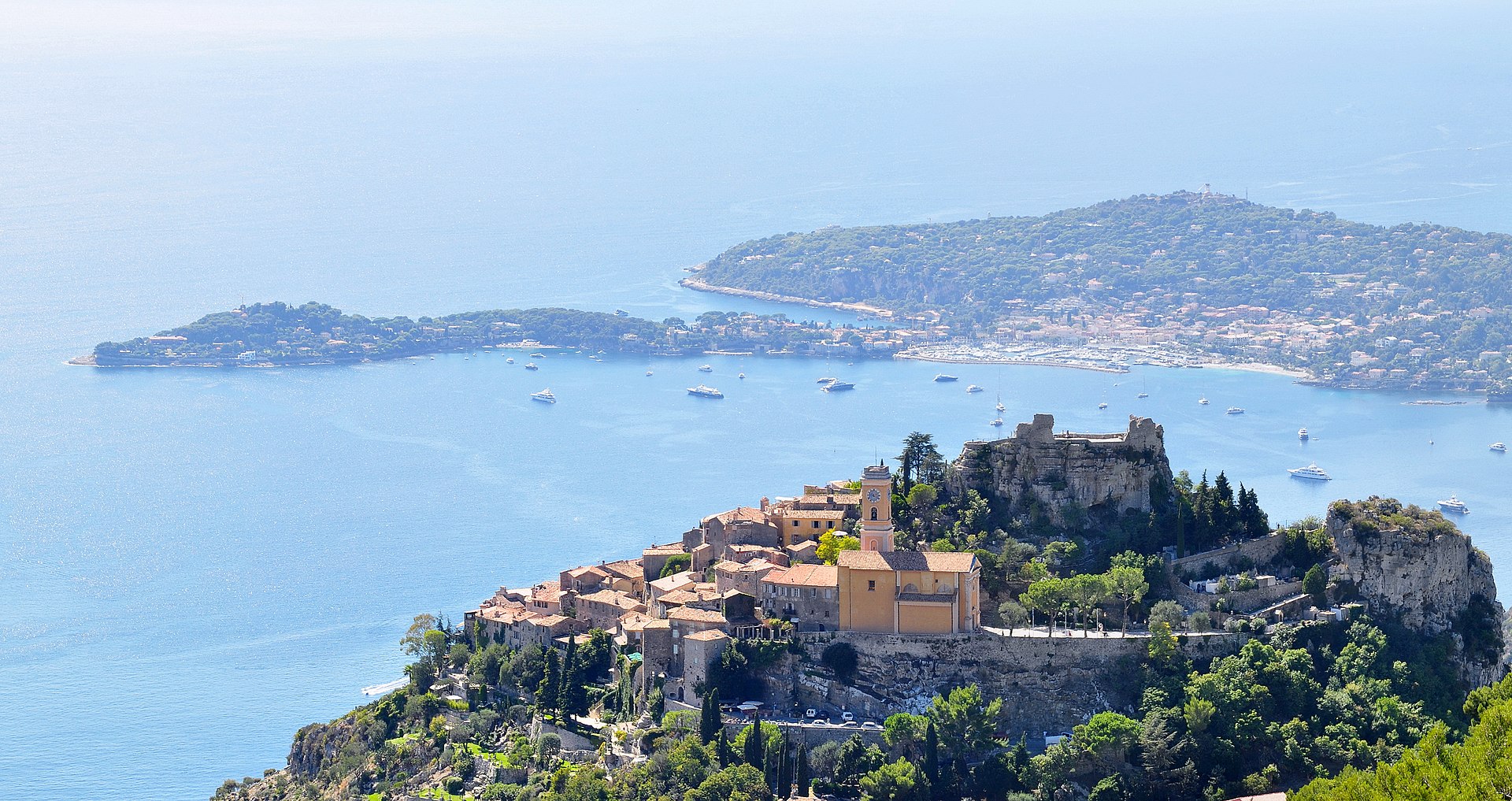
There is a moment, just after the tender drops you back aboard, when the Amalfi Coast reveals why it is best read from the water. The cliffs fall sheer into a sea the colour of bottle glass; Positano spills down its ravine like something half-remembered; Capri’s Faraglioni rise offshore, catching the last light. From a yacht you trade the hairpin roads and ferry queues for a slower grammar of swims, long lunches at the waterline, and harbours reached by sea. This is the coast as its first travellers found it.
Why This Coast Is Best Read From the Sea
The Amalfi Coast and Capri were composed for arrival by water. The roads came late and grudgingly; for centuries the only sensible approach was a hull and a following wind. A yacht restores that older logic. You wake at anchor below cliffs that the day-trippers will spend an hour in traffic to reach, swim before the first ferry, and slip between towns while the coast road idles overhead. The geography rewards it: Capri and the Sorrentine peninsula shelter the gulf, Positano and Amalfi face open south, and the whole littoral is stitched with coves, grottoes and offshore islets that exist, in practice, only for those afloat. Lunch in one town, an aperitivo in the next, a moonlit deck between.
You wake below cliffs the day-trippers will queue an hour to reach.
Capri by Sea — the Faraglioni & the Blue Grotto
Capri is an island that performs differently from the water. Anchor off Marina Piccola on the sheltered south side, where a rock wall blunts the wind, and the Faraglioni stand a short tender-ride east — three limestone stacks you can pass beneath, the middle one pierced by an arch. Below the Tragara headland, two legendary beach clubs cling to the rocks: tender in for a long seafood lunch and a swim in glass-clear water. The Blue Grotto, on the north-west shore, is weather’s hostage; its entrance is barely a metre high, so visits run only when the sea lies flat and the tide is low, guests transferring to small rowboats hauled through on a chain. Ashore, the Gardens of Augustus deliver the Faraglioni from above, with Via Krupp’s switchbacks falling away beneath.
Positano — the Vertical Town
Nothing prepares you for Positano from the deck: a cascade of pink, ochre and bougainvillea tumbling to a single grey-sand beach, the majolica dome of Santa Maria Assunta at its foot. It is less a town than a near-vertical stage set, and it is unashamedly the coast’s most romantic address. Tender in for an afternoon among the boutiques of the Sentiero, or simply lie at anchor and let it perform. Two grandes dames preside above the rooftops — Le Sirenuse with its candlelit terrace, and Il San Pietro tucked into the cliff towards Praiano — both worth dressing for. At the waterline, beach-side trattorias serve the day’s catch a few steps from the sand. The light, late in the day, is the thing people return for.
Less a town than a near-vertical stage set.
Ravello Above the Sea — Gardens & the Long View
Amalfi rewards a morning ashore — the striped Romanesque-Arab cathedral above its piazza, the cool cloisters, a lunch of the local lemon-bright cooking near the Duomo. But the coast’s contemplative heart sits high above it. Ravello, reached up a serpentine road or by car from the harbour, is a hush of gardens and belvederes some 350 metres over the water. Villa Cimbrone’s Terrace of Infinity runs to a parapet of marble busts and open sky; Villa Rufolo’s gardens, which Wagner likened to Klingsor’s enchanted garden, stage the celebrated Ravello Festival on a platform seemingly suspended above the sea each summer. Between them stand two of Italy’s most storied clifftop hotels, their infinity pools and terraces drinking in the same immense blue.
A hush of gardens and belvederes, 350 metres above the water.
Nerano & the Lemon-and-Spaghetti Pilgrimage
Round the Sorrentine tip to Marina del Cantone, a shingle bay in the protected waters off Nerano, and you reach the coast’s most quietly serious lunch. This is the birthplace of spaghetti alla Nerano — pasta bound with fried local courgettes and a melt of cheeses into something silken, with no cream in sight. The dish’s most famous house sits on a rock above the water here, family-run since the 1950s, its produce drawn from hillside plots and its fish landed that morning; a televised forkful turned a local secret into a pilgrimage. It is the perfect yacht lunch: anchor in the bay, tender to the jetty, eat slowly, swim, and let the afternoon dissolve. Sober, sea-scented, unimprovable.
Anchor in the bay, tender to the jetty, eat slowly, swim.
When to Go, and How It Sails
The season runs June to September, with July and August at full pitch — hot, glamorous and busy, with anchorages and restaurant books under pressure. Seasoned charterers prefer the shoulders: June and September bring warm water, long light and gentler winds, but thinner crowds and easier tables. Days fall into an unhurried rhythm — a morning swim at anchor, lunch ashore in one town, an aperitivo in the next, dinner under way. The waters are largely benign, though the Blue Grotto and exposed south-facing anchorages answer to wind and swell, so a good captain keeps the itinerary supple. Restaurant bookings and beach-club day-beds want securing well ahead; your broker or the yacht’s purser should hold them before you sail.